





Canola Agreement With China Constrained by Anti-Dumping Steel Tariffs
Canada’s reluctance to lift more anti-dumping duties on Chinese steel may have blocked Prime Minister Mark Carney from negotiating a deal on canola tariffs beyond the end of 2026 during last week’s trip to China, according to his agriculture minister.
As part of a new deal inked during Carney’s visit, Beijing secured a five-year agreement which gives China access to the Canadian electric vehicles market, while Ottawa was only able to secure a lifting of punishing tariffs on canola and seafood for ten months, beginning in March.
When asked by CTV News why Canada was unable to negotiate a deal that extended beyond 2026, Agriculture and Agri-Food Minister Heath MacDonald blamed the “remissions relative to steel.”
“We’ve got some work to do on that,” he said.
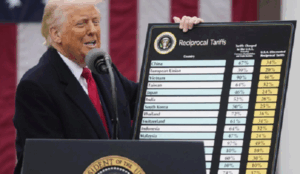
Canada’s steel and aluminum industry, largely based in Ontario and Quebec, has been devastated by U.S. President Donald Trump’s decision to impose 50 per cent tariffs on the sector.
MacDonald made the comments Tuesday in Ottawa at a news conference announcing the start of consultations into federal agricultural policy.
In an interview on CTV’s Power Play with Vassy Kapelos later that day, MacDonald was pressed on whether extended relief for canola, lobster, crabs and peas from Chinese tariffs will be tied to the removal of levies on Chinese steel.
MacDonald deferred to Industry Minister Melanie Joly, but did not rule it out.
“The agreement when we left was to continue the collaboration and co-operation and the discussions,” MacDonald told Kapelos.
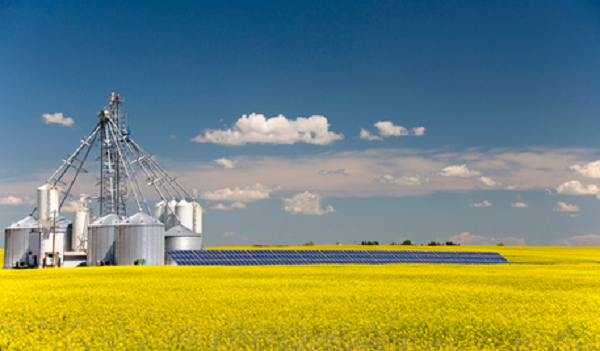
After meeting with Chinese President Xi Jinping last week, Carney announced a “landmark” deal that would see China lower tariffs on canola seed to a combined rate of approximately 15 per cent, down from the current 84 per cent.
The government also expects that anti-discrimination tariffs on Canadian canola meal, lobster, peas and crabs will be lifted by March 1.
But long-term relief for the canola industry that extends beyond a few months appears to be contingent on the federal government agreeing to reduce Canada’s 25 per cent surtax on more Chinese steel and aluminum products.
According to the federal government, the trade deal that Carney signed with Xi will allow remissions for “certain Chinese steel and aluminum products that are in short supply in Canada” until the end of 2026.
Last week’s deal covers 66 categories of products.
The previous government under Justin Trudeau imposed tariffs on 182 categories of steel and aluminum from China. The tariffs were put in place in October 2024 to prevent the dumping of Chinese metals in North American markets, and were imposed at around the same time the Trudeau government put a 100 per cent surtax on Chinese-made EVs, in lockstep with U.S. policy.
MacDonald suggested that there was pressure on the Canadian delegation in Beijing, who “were leaning on an open door” to act quickly and secure some type of deal on canola.
“It was clear to us and our negotiators that we need to act, and act now,” he said. “The prime minister played an integral part of that. He’s developed a relationship with President Xi and we’ll continue to build on that.”
The federal government has set an ambitious new goal of increasing exports to China by 50 per cent by 2030.
Although no lengthier deal on agricultural products was reached last week, MacDonald said he was surprised when his Chinese counterpart told him in Beijing there “was good news on beef.”
On Tuesday, MacDonald announced that Canadian beef was once again being exported to China. Beijing banned Canadian beef in 2021 after one case of BSE, commonly known as mad cow disease, was found in an Alberta cow.
This article was first reported by CTV News