





Rising Fuel Costs Set to Disrupt Summer Plans and Pinch Household Budgets
With the long weekend about to begin, and the unofficial start to summer approaching, many Torontonians may be gassing up their cars and heading to the cottage.
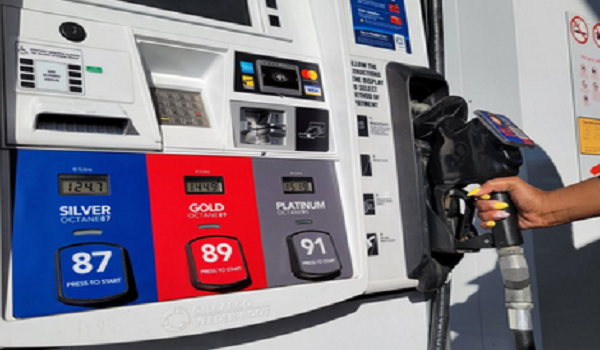
But the price at the pumps will make it more expensive this year, with the U.S. and Israel’s ongoing war with Iran continuing to impact global fuel supplies, and travel plans.
Dan McTeague, president of Canadians for Affordable Energy, said Toronto area gas prices are heading toward $2 a litre, and will at some point break the record set in June 2022.
“Those who’ve been in this business for a very long time are extremely nervous about the prospect that things could get a lot worse before we get back to some semblance of what was once considered normal,” he said.
“We’re talking a significant and lengthy period of high prices.”
The 2022 record was in “the aftermath of the Russian oil being sanctioned,” McTeague added, which was about 3 per cent of global supply. “We’re talking about 20 per cent here.”
The Strait of Hormuz, a vital waterway for the passage of oil, has been largely closed since February. Even if it was fully opened tomorrow, McTeague said, things would not snap back. There has also been damage to refineries across the Middle East, he added.

“There is a serious problem that won’t be resolved in the next couple of weeks,” McTeague said. “All of 2026 is a wash. It’s going to take a long time to fix the shortage that we’ve seen.”
For those looking to skip the driving, airlines continue to also be impacted by the war in the Middle East.
The Government of Canada issued a broad travel warning this week that fuel shortages may result in flight cancellations, for anyone travelling abroad.
“If you choose to travel, you must be prepared in case you become stranded abroad,” reads the notice. “No financial assistance will be provided by the Government of Canada.”
The government is “basically just saying be careful out there, because things are unpredictable,” said Travel Secure president Martin Firestone.
He noted that while it’s still worth it to get travel insurance, many companies have announced they will not cover travel interruption or cancellation if linked to the jet fuel shortage.
Despite all of this he said Canadians are still planning on going ahead with their summer vacations.

“I don’t think people are going to change their plans because of the price of gas,” Firestone said. “I’m not saying it’s not a lot of money, but if you have a destination to go to and you’ve already planned it, you’re still going to go. It’s just going to cost you more.”
The “big fear” is getting stuck somewhere because a flight has been cancelled due to the jet fuel shortage, he said.
The worry is not that passengers would be stranded indefinitely, but that their flights would be cancelled and they’d be delayed a couple of days, potentially missing work and racking up hotel bills, along with all hundreds of other people from the same flights.
“It could domino into a real ugly mess,” he said.
Firestone advises leaving as much time as possible to make connections to other flights, tours, and cruises.
“I think that’s the new world we live in,” he added. It’s not possible to time things perfectly anymore, “there’s too much going on out there to be like that.”
This article was first reported by The Star