





New U.S. Dairy Tariffs Threaten to Squeeze Canadian Cheese and Whey Exporters
U.S. President Donald Trump’s latest trade salvo targeting Canadian dairy will deal a sharp blow to specific exporters, even if the overall impact on the broader dairy sector remains manageable, industry analysts say.
On Tuesday, Trump signed off on the trade restrictions in retaliation for Canadian counter-tariffs.
A 50 per cent tariff on selected Canadian cheeses, could come into effect as early as Sept. 15. A U.S. import ban on certain whey products could start by Sept. 29.

The renewed focus on dairy is hardly surprising, experts say, given the Trump administration’s ongoing frustration with Canada’s supply management system, which limits U.S. dairy exports north of the border.
“These are significant trade barriers that will heavily influence Canadian dairy exports to the U.S,” said Al Mussell, founder of the research organization Agri-Food Economic Systems. “It’s not going to destroy our dairy economy, but it hurts.”
While Canadian dairy producers mainly serve the domestic market, the country exports about $559.7 million worth of dairy products, with the majority going to the U.S.
The cheese products facing new tariffs were worth about $88.5 million (U.S.) in 2025, representing 34 per cent of Canadian dairy exports south of the border, according to calculations by Mussell.
Specialty cheeses like Roquefort and Gruyère targeted
A mix of specialty cheeses such as Roquefort and Gruyère, as well as popular varieties such as cheddar and Swiss, are on the target list.
“There are individual companies, particularly in fine cheeses, that could be very badly affected by this,” said Mussell, adding that some of the exports will likely be lost due to the hefty tariffs.
The whey products targeted by the ban were worth about $35 million (U.S.) in 2025, or 13 per cent of those exports, Mussell said.
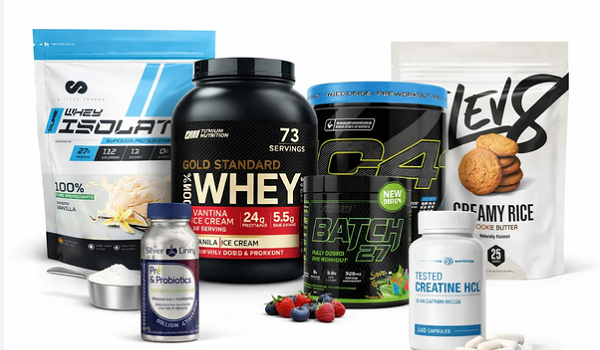
Once largely a byproduct of cheese production, whey has seen demand surge as the protein craze has made it a popular ingredient in products aimed at athletes and bodybuilders.
Dairy Farmers of Canada said in a statement that the escalating trade actions are “deeply concerning.”
“Unwarranted tariff measures and import bans only serve to create further uncertainty for farmers, processors and businesses on both sides of the border,” the statement read.
Stuart Smyth, an agriculture professor at the University of Saskatchewan, said Trump’s measures are designed to target the dairy sectors in Quebec and Ontario, where much of Canada’s specialty cheeses are made.
Restrictions on cheese exports could also reduce demand for milk from local farms and lead to more milk being dumped, he added, though he expects little impact on Canadian dairy prices.
“It is entirely a political decision,” said Smyth. “They want to hurt a small sector of the Canadian economy by specifically targeting the production and exports of Canadian cheese.”
Smyth added that the Trump administration’s decision to target dairy reflects a long-standing U.S. push for greater access to the Canadian market.
Research suggests ‘Canadian dairy industry is not efficient’
Under Canada’s supply management system, U.S. dairy producers can currently export to Canada tariff-free within set limits. Tariffs can climb as high as 250 per cent beyond those thresholds.
The U.S. government wants to raise the quota, Smyth said, arguing that it could be a negotiating point if, in exchange, the U.S. gives Canadian products greater access to its market.

“There’s very robust research that suggests the Canadian dairy industry is not efficient,” he said.
Mike von Massow, a food economics professor at the University of Guelph, said the dispute isn’t just about the size of the import quotas, but who gets them.
Canadian dairy producers argue U.S. exporters have never filled their tariff-free quotas, while the U.S. says that’s partly because Canada gives much of the quota to processors rather than retailers who are more motivated to import from the U.S.
“Every country has areas that they strategically protect, and I think undermining the entire supply management dairy industry is not in the best interest of the country,” said von Massow.
“I think it is reasonable to compromise on the allocation of those import quotas.”
This article was first reported by The Star