





President Trump to double tariffs on steel and aluminum imports to U.S. to 50%
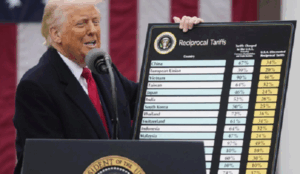
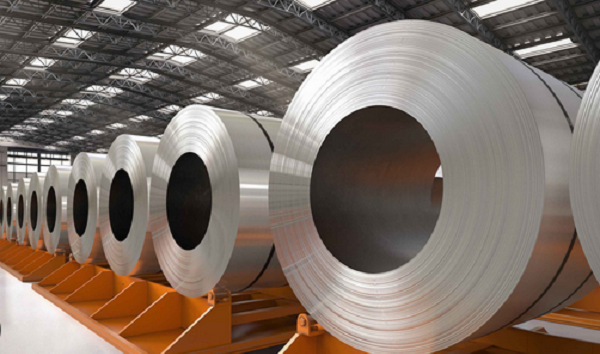
U.S. President Donald Trump says he will double tariffs on steel and aluminum to 50 per cent, ratcheting up his global trade war with levies that disproportionately hit Canada in an explicit bid to stop all imports of the metals into the United States.
At a U.S. Steel plant near Pittsburgh on Friday, Mr. Trump accused other countries of trying to “steal our industry, steal our jobs.”
“We are going to bring it from 25 per cent to 50 per cent – the tariffs on steel into the United States of America – which will even further secure the steel industry in the United States. Nobody is going to get around that,” the President said.
Speaking to a group of steelworkers and executives, Mr. Trump said his aim is to make it too expensive to bring in non-U.S. steel. “At 25 per cent, they can sort of get over that fence. At 50 per cent, they can no longer get over the fence.”
In a later post on Truth Social, Mr. Trump said the tariff hike would take effect on Wednesday and would also apply to aluminum.


“Our steel and aluminum industries are coming back like never before. This will be yet another BIG jolt of great news for our wonderful steel and aluminum workers,” he wrote.
Mr. Trump imposed the 25 per cent metals tariffs in March as part of the trade war he has since expanded.
Canada is the largest supplier of both steel and aluminum to the U.S., accounting for nearly 25 per cent of steel imports in 2023 and about half of aluminum imports last year. Canada imposed a suite of retaliatory tariffs on the U.S. earlier this year but has since lifted many of them out of fear of increasing costs for Canadian businesses and consumers.
Audrey Champoux, a spokesperson for Prime Minister Mark Carney, said the Canadian government had no comment on Mr. Trump’s announcement Friday evening.
The higher tariffs could easily backfire on Mr. Trump by inflating prices that are ultimately passed along to American consumers. There are significantly more U.S. jobs in industries that use steel and aluminum as an input than there are in the steel and aluminum industries themselves.
The U.S. imports most of its aluminum because there are only four primary smelters in the country. This means that many American companies will have little choice but to continue importing the metal from Canada and paying the higher tariff. About a quarter of steel used in the U.S. is imported.
Steel prices in the U.S. have already climbed 16 per cent since Mr. Trump took office in January, according to the government’s Producer Price Index.
After Canada, Brazil, Mexico and South Korea are the other major steel exporters to the U.S.
The U.S. President has long seen industrial manufacturing as key to his policy of economic nationalism, which seeks to keep out foreign competition in a bid to get American companies to make more products domestically.
Setting steel tariffs at 50 per cent is “exactly what he should have done,” said Dan DiMicco, a former steel executive who was an advisor to Mr. Trump during his first presidential campaign. “When encouraging domestic capacity improvements you must keep imports out,” he said.
Doubling the tariffs will more than double their effectiveness in achieving that goal, he said, because “at some point it overcomes the cheating tools.”
Canadian steel exporters warned that higher tariffs could hurt both themselves and U.S. consumers.
“All it does is raise prices for Americans,” said David Koss, president of Winnipeg-based Hunter Wire, which makes steel structures that provide a foundation for thousands of arenas, including those used in the National Hockey League.
At 25 per cent, Mr. Koss said his company “can hedge a little bit by using the Canada-U.S. exchange rate. At 50 per cent that becomes a lot more difficult to do.”
To date, his order book has remained strong, with continued business from the U.S. and strengthened sales at home, buttressed by patriotic “buy-Canada” sentiment. “I guess we were all naïve enough to think that things were settling down,” he said.
Mr. Trump announced the new levies at the end of a week in which two courts struck down a series of his other tariffs, saying the President had exceeded his authority. While an appeals court almost immediately revived those levies, the steel and aluminum measures appear to be in part a response, said Gitane De Silva, who was Alberta’s senior representative to the U.S. during the first Trump administration.
“It’s probably a show of strength from him, wanting to demonstrate that he can — and he will,” said Ms. De Silva, the founder and founder of GD Strategic, an advisory company. It is further confirmation “that the United States has changed, and there’s no going back.”
The court battle over Mr. Trump’s “liberation day” tariffs does not include the metals tariffs, which were imposed using a different piece of legislation.
Lana Payne, president of Unifor, Canada’s largest private-sector union, warned that the tariffs are already driving away investment and hurting workers, “while also raising costs for U.S. industries that rely on Canadian steel and aluminum.”
“This is economic warfare, plain and simple,” she said in a statement Friday night. “Trump continues to show us who he is: someone determined to undermine Canada’s economy and destroy good union jobs.”


Candace Laing, President of the Canadian Chamber of Commerce, said Mr. Trump’s metals tariffs in his first term caused job losses in the U.S. and doubling them now would undermine continental security.
“Unwinding the efficient, competitive and reliable cross border supply chains like we have in steel and aluminum comes at a great cost to both countries,” she said in a statement. “The fact remains that Canada is a reliable and secure trading partner that supplies materials that sustain American jobs.”
On Friday, Mr. Trump credited tariffs in his first term for saving the American steel industry from extinction — a claim that is at odds with a study of the effects.
The first-term tariffs ”had neither a sizable nor significant effect on US employment in regions with newly-protected sectors,” a 2024 paper found. Retaliatory tariffs, however, ”had clear negative employment impacts particularly in agriculture.”
The increases in production of steel and aluminum in Mr. Trump’s first term was modestly eclipsed by a decrease in production among industries that use steel, including manufacturers and machinery makers, a study by the United States International Trade Commission found.
In his Friday speech, Mr. Trump criticized “decades of Washington betrayals and incompetence and stupidity and corruption” for allowing steel jobs to melt away, “just like butter melt away.”
With reports from The Canadian Press and Associated Press
This article was first reported by The Canadian Press