





New housing completion contributes to months of consecutive decline in rental rates
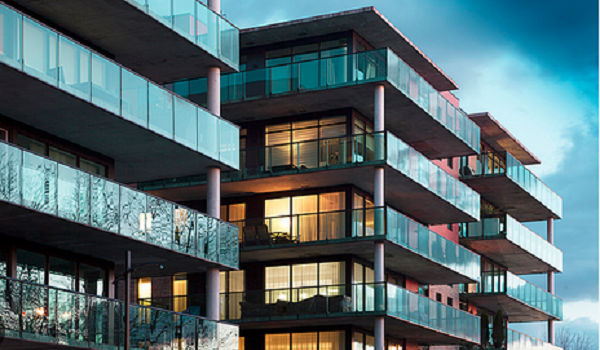
When a new condo was completed in downtown Toronto last month and 140 rental listings came up at the same time, landlords were in a fight to see who could lower prices the most.
That’s the situation Sundeep Bahl, a Toronto rental agent, described in one building where he helped rent a very small two-bedroom apartment for just $2,100 − a unit that would have easily fetched $2,500 two years ago.
“Rents are rock-bottom low on these units right now,” said Mr. Bahl, who says condo rents have dropped by roughly $200 on average in recent months as this scenario plays out in multiple buildings across the city.
Realtors and economists have said an abnormally high level of housing completions this year is one of multiple factors that has led to months of consecutive decline in rental rates.
But there’s also an exemption to rent-control laws on these buildings that may be keeping some tenants from jumping on these deals out of concern that their landlords can increase their rent by any amount at any time.

“That is playing on people’s minds and we’re telling some of our clients as well that once the market changes, these rents can be revised upwards,” said Mr. Bahl.
He said such a situation has already played out: Rents dropped dramatically during the pandemic, but people who signed leases in non-rent-controlled homes saw their rent increase by many hundreds of dollars in the following years.
In Ontario, any unit that was occupied for the first time as a residence after Nov. 15, 2018, is not subject to limits on rent increases. The policy was enacted by Ontario Premier Doug Ford in 2018 in an attempt to spur development in the province.
Meanwhile, almost all other rentals are subject to rent control, and the regulations only allow landlords to serve tenants a 2.5-per-cent increase this year.
Data from Rentals.ca show that 26 per cent of active listings in the Greater Toronto Area on their platform are for non-rent-controlled units that were built between 2019 and 2025. Giacomo Ladas, a spokesperson for the company, said he has anecdotally seen that these types of listings take longer to rent out.
Seema Kawar, supervising lawyer at the Downtown Legal Service’s housing division, said she has dealt with tenants throughout her career who were completely unaware that their rent could be raised by any amount.


“It was completely devastating, they were outraged by the fact that it could happen,” said Ms. Kawar, who said students and recent immigrants are often unaware of these rules.
“There’s still a lack of awareness for sure. If people knew, I think there might be more outrage or advocacy for that to change.”
Mr. Bahl said he has had some clients who are aware of the lack of rent control ask for a clause in their rental agreement that rent will remain stable for two years, but landlords aren’t willing to do it.
The reason is simple: most of the people who own these new apartments are losing massive amounts of money each month, even if they have a renter in place.
“The carrying cost for the owners is through the roof and they’re bleeding money, so eventually they’ll have to pass this on to the tenants,” said Mr. Bahl.
“It’s just a matter of time.”
This article was first reported by The Globe and Mail