






Oil Rises 1% as U.S. Trade Sentiment and Supply Data Support Gains
Oil prices rose more than 1% on Thursday, buoyed by optimism over U.S. trade negotiations that would ease pressure on the global economy and a sharper-than-expected decline in U.S. crude inventories.
Brent crude futures gained 79 cents, or 1.15%, to $69.30 a barrel by 0934 GMT. U.S. West Texas Intermediate crude futures climbed 83 cents, or 1.3% to $66.08 per barrel.
“The U.S. crude inventory draw and the trade efforts are adding some support to prices,” said Janiv Shah, analyst at Rystad.
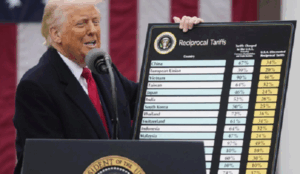
Two European diplomats said on Wednesday that the EU and the U.S. are moving towards a trade deal that could include a 15% U.S. baseline tariff on EU imports and possible exemptions, potentially paving the way for another major trade agreement following the Japan deal.
On the supply side, U.S. Energy Information Administration data on Wednesday showed U.S. crude inventories fell last week by 3.2 million barrels to 419 million barrels, exceeding analysts’ expectations in a Reuters poll for a 1.6 million-barrel draw.


Meanwhile, news of issues in loading CPC exports from Kazakhstan through the Black Sea due to Russian administrative interference, along with reports of contamination around loadings for Azeri crude from Ceyhan in Turkey led to some strength, PVM Associates analyst John Evans said in a note.
But follow-through will depend on their longevity, he added.
Kazakhstan’s energy ministry, however, said that the country had not halted oil loadings via the Russian sea ports, the Interfax news agency reported earlier on Thursday.
“Uncertainty over U.S.-China trade talks and peace negotiations between Ukraine and Russia is limiting further gains,” said Hiroyuki Kikukawa, chief strategist of Nissan Securities Investment, a unit of Nissan Securities, predicting WTI would likely remain range-bound between $60 and $70 a barrel.
Russia and Ukraine held peace talks in Istanbul on Wednesday, discussing further prisoner swaps, though the two sides remain far apart on ceasefire terms and a possible meeting of their leaders.
“Next to watch would be the demand indicators as we are in the peak season and any upside or downside would impact refining margins,” Shah added.
Reporting by Seher Dareen in London, Yuka Obayashi in Tokyo and Emily Chow in Singapore; Editing by Jacqueline Wong, Rachna Uppal and Kate Mayberry
This article was first reported by Reuters