






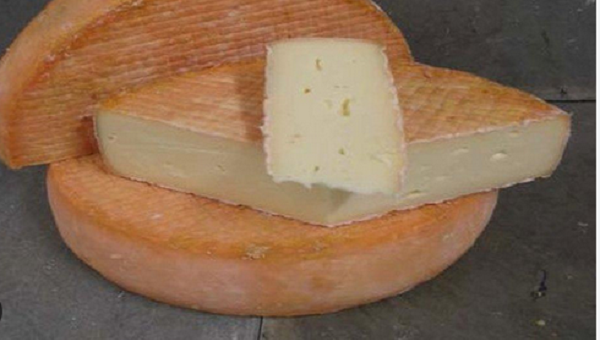
Canada Halts European Raw-Milk Cheese Imports Amid Disease Concerns
Some popular cheeses will be missing from store shelves this holiday season after the Canadian Food Inspection Agency (CFIA) banned imports of raw-milk products from France, Italy and Switzerland following outbreaks of lumpy skin disease in European cattle herds.
The ban applies to non-pasteurized cheeses produced on or after May 23, 2025. That means classics such as Brie de Meaux, Saint-Marcellin, Comté, Swiss Gruyère and Parmigiano Reggiano will become harder to find as inventories across the province dwindle in the coming months.
Ibrahim Abdelgawad, owner of Fromagerie Maisonneuve in Hochelaga-Maisonneuve, said he is worried about the ban because he doesn’t know when it will be lifted.
“From what I understand from suppliers, it’s permanent — like in the United States, where raw-milk cheeses are banned. Canada may apply the same regulations. And it’s worrying because that’s our specialty,” he said in an interview.
- READ MORE ON OUR DAILY STOCK MARKET REPORTS – Tech and Growth Stocks Dominate Market Session Today
His father founded the cheese shop in 1985, giving the family decades of expertise in the trade.
According to the CFIA, lumpy skin disease is a viral infection in cattle marked by fever and eruptions of skin nodules of varying size. It is spread by biting insects such as mosquitoes, horse flies, deer flies, midges and tsetse flies.


“We sell pasteurized cheeses too, but our real specialty is raw-milk products that need care and aging. That’s what brings people to a specialized cheese shop,” Abdelgawad said.
The virus does not infect humans, but it can spread quickly among cattle and has a devastating impact on production and trade.
Abdelgawad said he first learned of the outbreak from European media and found out about the Canadian ban later in the summer.
“There are products we can no longer get, like soft cheeses such as reblochon or raw-milk goat cheeses. Those have short expiry dates, so we haven’t had them for a long time. And we won’t be able to replace them because of the protected designations,” he said.
“If you pasteurize or thermize, it loses the protected status, so it’s no longer the same cheese. Some cheeses have pasteurized alternatives, but you can’t call it a reblochon anymore, for example.”
He said some of his most popular cheeses are already out of stock, calling it a complete shortage. Firm cheeses are still available, but supply is limited.
“We try to suggest alternatives, sometimes Quebec cheeses that are similar. But of course, we don’t have the same expertise as Europe. They have thousands of years of tradition compared to maybe 50 years here. It’s not the same. Even if alternatives exist, customers don’t necessarily want them,” Abdelgawad said.
This article was first reported by CTV News