





Analyzing the Pump-Price Impact of the U.S.-Iran Peace Accord for Canadians
The fine print details of the U.S.-Iran peace deal have yet to be revealed, though oil prices are already responding.
Brent crude, the international standard for the price of oil, dropped nearly five per cent, to US$83.17 per barrel on Monday.
While still more than US$10 higher than the price of Brent crude before the Middle East war began, some analysts believe consumers need to prepare themselves for higher gas prices for the foreseeable future.
“The new normal, so to speak, for the oil markets is much, much different than what it was three or four months ago. We think that US$80 (a barrel) is going to be the floor for the time being,” said Ninepoint Partners LP senior portfolio manager Eric Nuttall.
The markets so far have responded positively, as U.S. President Donald Trump claimed that the deal with Iran had already been signed, trumping previous reports that a signing of the peace deal was to take place this Friday in Switzerland.

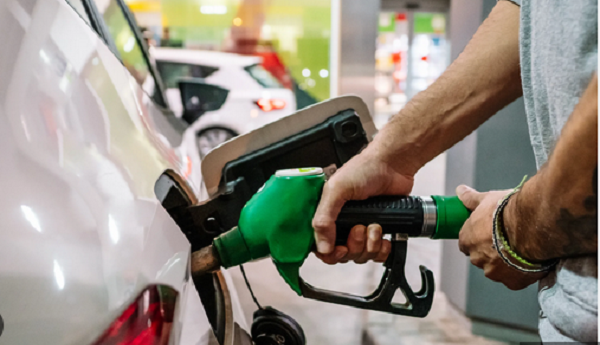
While there has been some softening on the price at the pumps for Canadians, overall, the cost to fuel up is still elevated and could remain that way for several months, if not longer, according to gas price insiders.
While the price for consumers fluctuates from province to province, the average national price at the pumps for Canadians on Monday was around C$1.66 per litre, according to CAA. One year ago, on June 15, 2025, the price was C$1.35 per litre.
“We’re going to be stuck for the next year, maybe two years, with unusually high prices,” Dan McTeague, president of Canadians for Affordable Energy, told CTV News. “Don’t look for C$1.30 (per litre) at the pumps anytime soon. Even with the federal government giving off a 10-cent excise tax break, we’ll be lucky if we can stay in the C$1.50 (per litre) range for the remainder of 2026.”
Analysts point to depleted oil reserves that will take time to be replenished. Dozens of oil refineries and major energy assets have been bombed and damaged during the conflict, and there’s still multiple murky details that need clarity.
Iran’s foreign ministry on Monday said they plan to charge a service fees to oil vessels using the Strait of Hormuz, but the price they will charge remains unclear.
While ships are expected to begin leaving the strait in the days ahead, analysts say what matters most is how many ships are entering the strait.

“On-shore storage is full, it has backed up production, and until tankers are willing to enter the straight while navigating all the sea mines and everything else, (and) until ships are willing to enter in and take the on-shore storage (of oil), we will continue to lose 11 million barrels per day of production,” said Nuttall.
Many households are banking on lower oil prices bringing down the cost of living. From the grocery store to the pumps, Canadians have been paying more for months.
With ships remaining idle in and around the Strait of Hormuz, so does sectors closely tied to the global and Canadian economy.
This article was first reported by CP24