



Canadian Businesses Tap U.S. Free-Trade Zones to Offset Tariff Pressures
Canadian and multinational companies are looking to federally designated trade regions in the United States to manage some of the costs of American tariffs that have hammered exports and taken a toll on their bottom lines.
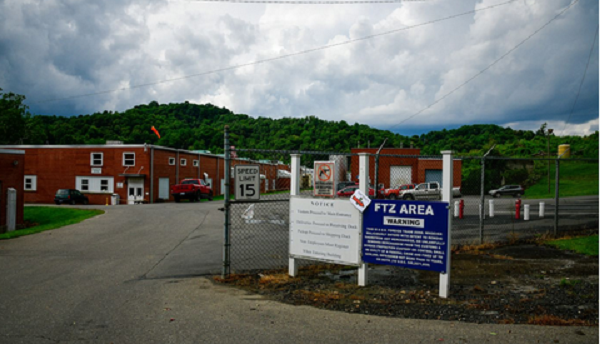
There are about 1,300 companies using U.S. foreign-trade zones, where companies can lease land or buildings to manufacture or store goods and which offer benefits a typical factory or warehouse do not.
Companies can import goods into these trade zones without paying tariffs or any other taxes until the products leave the zones. When they do finally leave the warehouse, companies pay the tariff rate that was in place at the time of admission, with some exceptions. They can avoid fees completely if the goods are exported back outside the country.
Most people following the policy of foreign-trade zones say that while U.S. President Donald Trump has undermined some of the benefits the zones once had, they remain an effective strategy to better manage cash flow by deferring duty payments under the new tariffs.
The zones have long been part of America’s trade and manufacturing sector, but have gained greater attention as businesses in Canada and abroad scramble to find new ways to counter tariffs. They’re not unique to the U.S., and are most often called free-trade zones elsewhere.

“Before the trade war, we were seeking out customers. Since the trade war, they’re seeking us out. I mean, we get calls every few hours,” James Collard, director of planning, economic and industrial development for Citizen Potawatomi Nation in Oklahoma and the director of the Iron Horse Industrial Development Authority, where the nation’s foreign-trade zone is housed, said in an interview.
Mr. Collard said their draw has cooled since the summer, when Iron Horse had landed a few companies over four months, as some grew more hesitant to change strategies during the evolving trade war. Iron Horse has been looking primarily to Canadian businesses for its 160-hectare foreign-trade zone, he said, but is also looking to draw companies from other countries as well.
The Iron Horse Industrial Park provides other financial benefits, Mr. Collard said, given that it is exempt from property, municipal and state taxes on lands in federal trust, and the nation can choose to pass those savings on to the companies using its facilities.
Trade zones could have been even more of a haven for manufacturers, but another principal benefit – the ability to avoid duties by physically manufacturing goods within the trade zones to alter their classifications – has been nullified by the new tariffs. The shift has made manufacturing in the zones a less beneficial strategy.
The act that implemented U.S. trade zones is nearly a century old, brought into law in 1934 as a way to encourage economic growth and development within the U.S. in opposition to the Smoot-Hawley tariffs introduced four years earlier.
In 2023, before Mr. Trump returned to office and imposed expansive tariffs, shipments into the zones totaled nearly US$949-million, down from $1.01-billion the previous year. Trade zone data for 2025 is not available yet to show what has happened since Mr. Trump’s election last November.
However, some trade lawyers say they’ve noticed an increase in the number of Canadian companies seeking to use the zones in response to the tariffs, predominantly for goods not covered under the Canada-U.S.-Mexico Agreement.
Data from the International Trade Administration shows industry giants including Apple Inc., Deere & Co., ExxonMobil Corp. and several car makers have spaces within the trade zones. The Globe and Mail contacted more than two dozen companies that have registered active trade zones about whether they used the zones to assist in managing goods from their Canadian operations. Nearly all did not reply, or chose not to comment.

While tariffs were introduced by Mr. Trump under the International Emergency Economic Powers Act (IEEPA) and Section 232 (which has been used to invoke tariffs as part of national security), there is still confusion over their effects on trade zones. Mr. Collard said tariffs can still be averted if the item is a part of manufacturing a new product within the trade zone as long as the items are not from China, while other trade experts argue that’s no longer true.
According to Chandri Navarro, senior counsel in the Washington office of law firm Baker & McKenzie LLP, materials brought into the zones under Mr. Trump’s new tariffs are subject to the taxes that were in place when they were first brought in, but said those instructions are not universal, such as the U.S. Customs and Border Protection’s instructions on steel tariffs.
Jesse Goldman, a partner in the competition, international trade and foreign investment group at Osler, Hoskin & Harcourt LLP in Toronto, said while foreign-trade zones can be helpful for a limited number of companies, he has found a more noticeable increase in the use of bonded warehouses in the U.S.
Those warehouses also help companies defer tariff payments and are cheaper and easier to establish, but don’t offer companies the same opportunities for manufacturing.
“It’s very difficult to get any bonded space in the U.S. and the prices have gone up astronomically as a result of the supply crunch for bonded space,” Mr. Goldman said in a September interview.
This article was first reported by The Globe and Mail