




China Poised to Unveil Up to $70 Billion in Incentives for Semiconductor Expansion
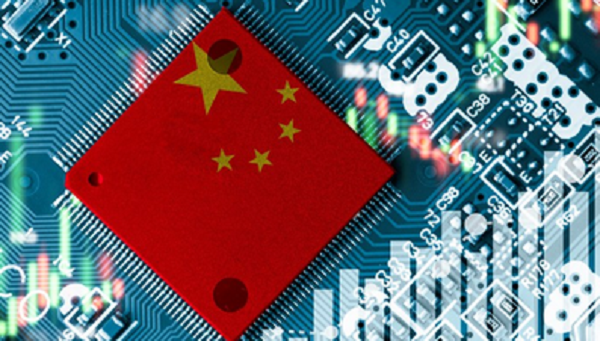
China is considering a package of incentives worth as much as $70 billion to bankroll and support its chipmaking industry, pouring more state money into a sector it deems pivotal to its technological conflict with the US.
Officials are deliberating proposals to earmark a package of subsidies and other financing support in the range of 200 billion yuan ($28 billion) to 500 billion yuan, people familiar with the matter said, asking to remain anonymous to discuss private talks. The final details of those incentives, exact amounts and target companies are still getting worked out, the people added.
The scale of the effort — which on the lower end begins to approach the amount of capital Washington set aside for the Chips Act — underscores Beijing’s resolve to reduce its reliance on foreign chipmakers such as Nvidia Corp. (NVDA). It suggests the government will continue to support the likes of Huawei Technologies Co. and Cambricon Technologies Corp. (688256.SS) even after the Trump administration approved the sale of Nvidia chips such as the more powerful H200 into China.
At the maximum end, the proposal translates into the largest-ever state-backed semiconductor incentives program conceived, at a time nations from Europe to the Middle East are seeking to ensure local production and supply of a component considered critical to AI and national security.
The Chinese program will function separately from existing government funding plans such as the $50 billion Big Fund III equity-investment vehicle, the people added. Representatives for the Ministry of Industry and Information Technology, which oversees the Big Fund and helps administer support measures, didn’t respond to a faxed request for comment.
China is pouring resources into the world’s largest semiconductor arena at a critical time, geopolitically.

President Xi Jinping has pledged to build up the country’s semiconductor capabilities with a “whole-nation” approach — harnessing the entire country’s resources. Beijing is concerned about the unpredictability of access to US technology given clampdowns on exports by three different administrations, starting with Donald Trump’s first term.
That mandate has manifested itself on several fronts over the years. And as Beijing prioritizes the development of semiconductors and AI, firms throughout the supply chain have enjoyed a surge in fortunes.
Top contract chipmaker Semiconductor Manufacturing International Corp. is steadily expanding its capabilities as Huawei’s main partner, even without the advanced equipment needed to make the most cutting-edge chips.
Meanwhile, shares of AI accelerator designer Moore Threads Technology Co. have gained more than 600% since its debut in Shanghai.
Chinese officials have also asked firms to prioritize adoption of domestic components.
They’ve urged local agencies and companies to avoid Nvidia’s H20, a less-powerful chip customized for China to comply with US controls. Nvidia executives have said that their share of the country’s AI chip market has dropped to zero.
This article was first reported by Bloomberg