





Higher Grocery Costs for Single Canadians Prompt Calls for Market Intervention
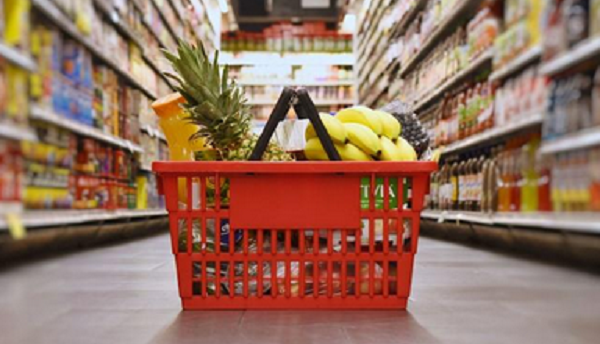
Canadians living alone spend about $102 a week on groceries on average, $22 more than individuals who live in a shared household, a recent report shows.
A survey of 1,500 adult residents across Canada conducted by Interac in May found that single Canadians face greater grocery price pressures than multiple-person households, with nearly eight in 10 people living alone saying their grocery bills continue to rise despite their efforts to cut costs.
After years of elevated inflation, food experts told the Star that a weekly grocery bill of more than $100 today would likely have been at least 20 to 30 per cent lower five years ago.
The report comes just a few days after Prime Minister Mark Carney announced Canada’s first national food security strategy, pledging $3 billion over 10 years to build a “more affordable” food system.

While experts applaud the government’s investment, they differ in their level of optimism about how much it will help curb food prices. Still, they agree that any relief is unlikely to come in the short term.
It’s not surprising Canadians living alone spend more on groceries than couples, says Michael Von Massow, a professor of food economics at the University of Guelph.
Much of the Canadian grocery system is built around volume: larger package, lower per-unit costs.
“The structure of our food system and the way we deliver food through retail,” Massow says, “makes it tougher for people in single-person households to buy as effectively.”
But inflation has exacerbated the gap in grocery spending between singles and couples, he added.
But will Ottawa’s new food strategy lower grocery bills?
The multibillion-dollar strategy unveiled last weeks looks to expand and build new food terminals which would lower procurement costs for independent grocers. The strategy is also taking aim at boosting food production and processing in Canada.
The Star has reported that Liberal officials say the plan does not include a target for lowering food prices, but will focus on addressing “gaps” in Canada’s food system that contribute to higher costs.
The notion was endorsed by Massow who said “people are bound to be disappointed” if they expect grocery prices to fall in the short term.

“The Canadian food strategy is incredible,” he said. “I think it’s a very positive move. It will increase the resilience of our food system, it will reduce the risk of big price swings in the future.”
But the strategy’s focus on increasing domestic food production is more likely to help prevent future price increases than bring current prices down, Massow said, given that many of the factors driving food costs — climate change, geopolitical tensions — are beyond the government’s control.
In the short term, Canada can help make higher food prices more manageable for consumers by providing additional support to lower-income households, he added.
Measures such as the recently expanded GST/HST credit — now renamed the Canada Groceries and Essentials Benefit — could help ease the financial burden.
Gary Sands, senior vice-president of the Canadian Federation of Independent Grocers, said he believes the strategy will help lower food prices in the long-term, even if it is not a “silver bullet” for consumers.
“It provides the opportunity for independents to get more product without going to a wholesaler,” he said, reducing transportation and distribution costs. “That is good for consumers.”
Sylvain Charlebois, director of the Agri-Food Analytics Lab at Dalhousie University, said the agriculture and food industry needs more than financial support.

He would like to see the federal and provincial governments removing interprovincial trade barriers so processors and producers can more easily sell products across provincial borders.
Charlebois said he was disappointed that the national strategy lacks measurable targets.
“At the end of the day, people are asking, will it make a difference at the grocery store,” he said. “When you don’t have measurable goals, it’s very difficult to see whether or not the policy or investments will actually make a difference.”
This article was first reported by The Star