



Iran Conflict Leaves Economic Fallout Regardless of Military Outcome
Each day the Middle East war continues, the strain on the world economy grows. Stagflation now seems inevitable, because even if the conflict ended today, some future price rises are already locked in.
But it likely won’t end. Barring dramatic new developments, there’s little prospect of the war ending in any meaningful way for the foreseeable future. That’s because the Iranians are fighting on a different battlefield from the one their adversaries chose.
The allies are treating this as a classic head-to-head battle over the skies of Iran and Israel, counting on their military and technological superiority to overwhelm the Iranians and force their surrender.
The Iranian regime is focusing on the soft underbelly of the Strait of Hormuz. With relatively low-cost, distributed warfare, they have succeeded in bringing economic activity in and around the Strait to a near standstill in a way that’s never been done. The U.S. appears unprepared, while Iran seems ready for a prolonged campaign.
The impact of this disruption, both devastating and immediate, will likely prove enduring. Markets still appear to be pricing in a short conflict followed by a resumption of normality. Yet even in this optimistic scenario, traders expect oil prices to stay elevated for a long time. On the eve of the war, futures traders were offering a barrel of oil in the US$60 range that would be delivered in a year’s time. They no longer expect such prices to return until next decade.

Oil removed from the market won’t suddenly return when peace is restored. Infrastructure is being destroyed and could take months to be restored. Tankers that are backed up can only refill at the pace the ports can handle. Gulf states lack storage capacity for oil – they’re designed to ship oil out as soon as they produce it – so even if production resumes, there will likely be a premium attached to Gulf oil because of the risk of sudden closures.
The same applies to natural gas. Plants in the Gulf that have been shut down will take weeks, possibly months, to resume operations, even in the best-case scenario.
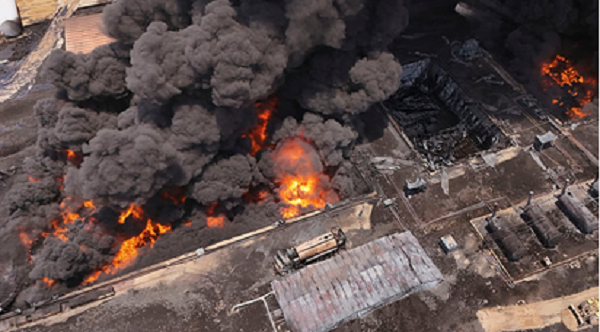
Rising oil and gas prices are already feeding through into the prices of airfares and shipping costs. Shipping prices are further driven up by insurance costs, rerouting delays and backlogs in ports that are now taking in more clients than they have capacity for. Even when normal operations resume, it may take up to a year to clear those backlogs. As with the postpandemic shock, shortages and higher prices will persist for a long time on anything that has to be transported.
It’s not just energy supplies that are affected. Other key exports from the Gulf include sulphur and fertilizer. Prices on both have risen sharply. Sulphur is used in the production of electronic chips and in mining. Fairly soon, the prices of both chips and metals will rise to reflect shortages, which will boost prices on a range of household items and consumer goods.
Meanwhile, about a third of global fertilizer supplies pass through the Strait of Hormuz. In addition, because natural gas is used in the production of fertilizer, shortages have caused production to shut down elsewhere. With the northern sowing season under way, higher food prices are all but locked in for later this year.
In recognition that higher inflation is in the pipeline, traders in U.S. federal funds futures, who just weeks ago were pricing in two interest-rate cuts of a quarter-point this year, are now betting there won’t be any cuts until the summer of 2027.

Of course, what could offset higher inflation would be an economic downturn, which is also possible now, not least since higher prices could lead strapped consumers to cut back their spending. Either way, most people should brace for a decline in their living standards in the coming year.
There’s no quick, easy way out of this trap. Even if U.S. President Donald Trump were to try his old trick of declaring victory and walking away, there’s no reason to expect the Iranians would follow suit.
If anything, seeing how effective their strategy has been, they’d be more likely to double down. To seize control of the Strait, Mr. Trump may have no choice but to commit land and naval forces to the war.
It’s unlikely he’ll do that soon. The war may well drag on, in which case the best-case scenario, of mild stagflation, could become worse.
This article was first reported by The Globe and Mail