



Ottawa Signals Breakthrough as Canada–U.S. Trade Negotiations Resume
Prime Minister Mark Carney’s top trade team has agreed to resume stalled talks after meeting U.S. Trade Representative Jamieson Greer in Washington Friday.
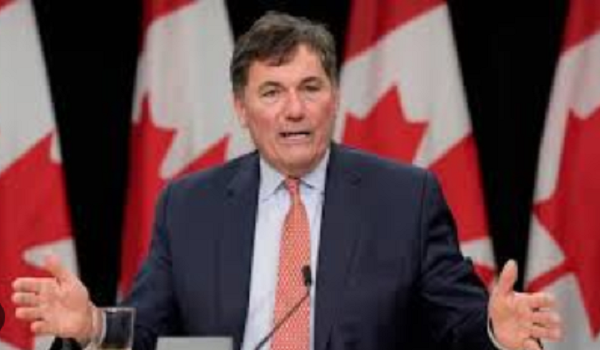
Dominic LeBlanc, the Minister for Canada-U.S. Trade, brought along to the meeting Mr. Carney’s new chief negotiator, Janice Charette, and recently appointed Ambassador to Washington Mark Wiseman.
Ms. Charette is the former clerk of the Privy Council, the country’s top civil servant, and also served as high commissioner to London. Mr. Wiseman, a global investment banker, has held back-channel talks with U.S. Commerce Secretary Howard Lutnick since he took over as Canada’s envoy to Washington last month.
Read More On Our Daily Stock Market Reports – Major Indexes Struggle as Oil Price Surges
“They had a constructive and substantive discussion pertaining to the Canada-United States-Mexico Agreement [CUSMA], and on broader bilateral trade issues,” said Mr. LeBlanc’s communications director, Jean-Sébastien Comeau.

Mr. Comeau said the minister and Mr. Greer “agreed to continue to work together on these trade issues, and will speak again in the coming days to further discussions.”
The two top trade negotiators did not set a date for the formal resumption of discussions on the mandatory review of CUSMA, which is known by the Americans and Mexicans as the United States-Mexico-Canada free-trade agreement or USMCA.
These are the first formal trade discussions between the two countries since President Donald Trump suspended negotiations in October over anti-tariff television commercials commissioned by the Ontario government.
On Thursday, Mr. Greer held bilateral talks with Mexican Secretary of Economy Marcelo Ebrard in preparation for the trilateral trade review.
They agreed to begin formal bilateral discussions next week that will deal with reducing dependence on imports from outside North America, strengthening rules of origin and enhancing continental supply chains. Rules of origin are the rules that determine where products are considered to have been made and which duties apply to them.
The three countries are facing a July 1 congressional deadline where Mr. Trump must decide whether to renew, scrap or modify USMCA. He has mulled about scrapping the continental trade pact and negotiating separate deals with Canada and Mexico.
On a recent trip to Mexico, Mr. LeBlanc and his Mexican counterparts said they would like the free-trade agreement to remain in place, as it allows most goods to cross the border tariff-free. They have both acknowledged though that they may have to accept some baseline tariffs as a price to remain a favoured U.S. trading partner.
Mr. Carney has vowed to diversify more trade away from the United States. Over U.S. objections, he has agreed to allow a limited number of Chinese electric vehicles into the country in exchange for Beijing lifting punishing tariffs on Canadian canola and other farm products.

Mr. Carney returns Saturday from a trade and goodwill mission to India, Australia and Japan. He signed a 10-year, multibillion-dollar nuclear energy pact with India while Australia and Canada plan to co-operate on a critical minerals strategy. In Japan, Mr. Carney and Japanese Prime Minister Sanae Takaichi signed a new strategic partnership on energy, technology and defence.
Ottawa is hoping to sign a formal free-trade deal with India by the end of the year.
Brian Clow, who was responsible for Canada-U.S. relations under former prime minister Justin Trudeau, said he expects USMCA talks will be tough as the Americans push for concessions.
Canada is hoping to persuade the U.S. to lift tariffs on Canadian autos, steel and aluminum.
Mr. Greer has complained that Canada has been difficult to negotiate with, citing provincial bans on wine and liquor and Ottawa’s refusal to substantially open its dairy market to the United States.
This article was first reported by The Globe and Mail