





High-Demand Tightness: Larger Toronto Rentals Defy Softening Market
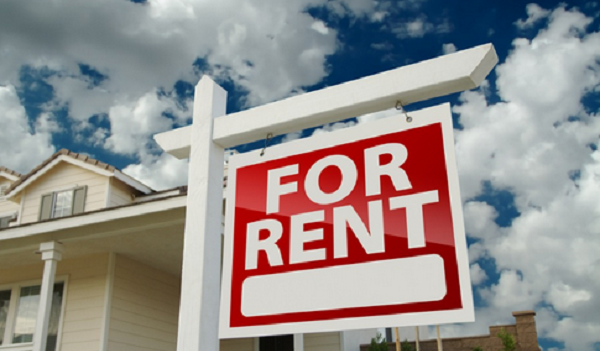
For the 19th consecutive month, Canada has recorded an annual decline in rental prices, with the average asking rent for residential properties falling by $100 compared to a year ago.
According to the latest National Rent Report from Rentals.ca and Urbanation, average asking rents dropped 4.7 per cent year over year in April to $2,027.
“Rents in Canada are basically back to their level from three years ago,” said Shaun Hildebrand, president of Urbanation. “This improvement in affordability should help bring renters back into the market after many were priced out in recent years.”
The report, which includes data on single-detached homes, semi-detached homes, townhouses, condominium apartments, rental apartments and basement units, found that Ontario experienced a 5.2 per cent annual decline in asking rents.
Read More On Our Daily Stock Market Reports – Stocks Slide as Doubts Grow Over U.S.–Iran Peace Deal
Toronto renters also saw some relief, as average asking rents for one-bedroom units fell 4.7 per cent to $2,208 in April. Two-bedroom apartments recorded a 2.1 per cent decline, with average asking rents reaching $2,863.

However, asking rents for three-bedroom units trended in the opposite direction, rising 2.3 per cent year over year.
Giacomo Ladas, spokesperson for Rentals.ca, told the Star that demand for larger rental units remains “really high.”
“The larger units and low-income housing are still a section of the market that we simply don’t have enough of,” he said.
Although Toronto rental prices have been on a downward trajectory since peaking in 2022 — when average rents were just under $3,000 a month — asking rents increased across all unit types between March and April, except for studios, which held steady at $1,769.
“Most of the supply entering the market has primarily been studios and one- and two-bedroom units,” Ladas said.
He also pointed to rising supply as a key factor behind current rental trends.
“There are a lot of condos on the market now that were originally built to sell,” Ladas said. “But when they came to market, buyers weren’t interested.”
As a result, many condo owners shifted their units into the rental market to offset potential losses.
In the first quarter of this year, vacancy rate for new rental buildings in Toronto climbed to 5.4 per cent, the highest seen since the pandemic, according to Urbanation.
“And on top of that, we’ve seen demand really decrease,” Ladas added.

While several suburban communities surrounding Toronto recorded some of the country’s steepest annual declines — including Markham, Oakville, and Vaughan — other Ontario cities moved in the opposite direction.
Compared to the COVID-era low in April 2021, Canada’s average rents have risen 21.9 per cent.
Kingston saw one of the largest rent increases nationally, with average apartment rents rising 13.3 per cent year over year, while Stratford recorded a 10.7 per cent increase.
Despite the recent slowdown, Ontario remains one of the country’s most expensive rental markets, with average asking rents for all property types reaching $2,226 as of April.
This article was first reported by The Star