





Multibillion-Dollar Infrastructure Deal Reached Between Carney and Eby Preceding West Coast Pipeline News
British Columbia has extracted tens of billions of dollars from Ottawa to speed up the development of several major infrastructure projects, while also pledging not to obstruct any new bitumen pipeline that doesn’t touch tidewater on its North Coast.
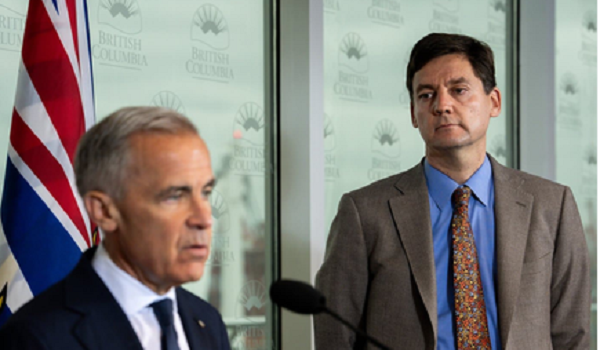
Hours before Prime Minister Mark Carney met with Alberta Premier Danielle Smith Thursday evening to announce details of their push for a new pipeline, he stood beside B.C. Premier David Eby in Vancouver to roll out nearly $20-billion in federal commitments to the province.
These projects will “catalyze” more than $200-billion in new investments that will help Canada double its non-U.S. exports over the next decade, Mr. Carney said.
Ottawa also said it would leave in place its ban on tankers loading or unloading oil from B.C.’s North Coast. The key environmental safeguard had been thought to be on the negotiating table as part of the November memorandum of understanding between the federal and Alberta governments that set the stage for the pipeline proposal.

Mr. Eby brushed aside a question at Thursday’s news conference about whether the federal money was a quid pro quo for not opposing an Alberta pipeline being routed through B.C.
“To look at this as an Alberta agreement is, again, to do a disservice to British Columbia and the remarkable and incredible growth that is happening in this province,” he told reporters.
“This is a B.C. agreement about B.C. projects; it is a commitment to what makes this province amazing – our pristine North Coast; it is a recognition in our role in co-operative federalism across the country that we play every single day.”
He added that his province “found out the hard way” that it can’t oppose pipelines when the Supreme Court of Canada in 2020 rejected B.C.’s efforts to thwart the twinning of the Trans Mountain pipeline.
Ms. Smith has long made clear that a pipeline between Alberta’s oil sands and B.C.’s North Coast is her preferred route. But several coastal First Nations, backed by Mr. Eby, voiced strong opposition to any such project.
Thursday’s announcement appeared to nullify those concerns, potentially opening a path for a project that is seen as key to the Carney government’s effort to boost exports and keep Alberta satisfied with its place in confederation. The province is set to hold a referendum on separation in October.
“Today is a good day,” said Marilyn Slett, president of the Coastal First Nations Great Bear Initiative and elected Chief of the Heiltsuk Nation, in a statement.
“Northwest B.C. is already home to one third of the major projects announced over the past year, and many of these will significantly increase shipping traffic through the North Coast.

“Together, we can build durable economic partnerships, invest in the infrastructure needed to ensure safe and reliable shipping, and protect our environment – creating lasting benefits for Canadians for generations to come.”
Mr. Eby said B.C. has anxiety about the impact of any new pipeline project but pointed to the agreement’s “very clear safeguards” with respect to spill protection, which include a trust fund accessible to the province and First Nations in the event of an environmental emergency.
Mr. Carney told reporters Thursday that Ottawa will provide $10-billion to support the expansion the Vancouver Fraser Port Authority’s Roberts Bank Terminal 2, or RBT2, which is located about 30 kilometres south of Vancouver. He did not explain Thursday morning when asked why that project received so much money after the port authority estimated it would cost $3.5-billion.
“There’s potential other infrastructure that might make sense,” he said, promising more information later.
This article was first reported by The Globe and Mail