






U.S. Banking Watchdog Introduces Inaugural AI Supervision Framework for Examiners
Big bank supervisors should monitor how lenders use artificial intelligence but should not treat it as distinct from other risks, according to new regulatory guidance issued on Wednesday, as authorities globally ramp up their efforts to contain AI-driven risks.
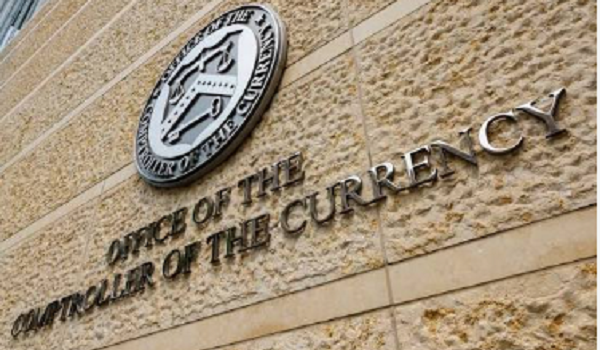
The Office of the Comptroller of the Currency, which oversees large national banks, issued what it said was the first-ever guidance for how examiners should probe banks’ AI usage, according to a copy of the document seen by Reuters.
Under the new framework, first reported by Reuters, the OCC says banks are not expected to establish separate risk parameters for AI use and examiners should not treat the technology as a unique risk. But examiners should consider the way a lender is using AI, as well as the size and complexity of the lender.
While the document is not legally binding like a rule, banks typically comply closely with such guidance.

Banking regulators worldwide have been querying lenders about their AI use, worried the technology poses major cybersecurity and potentially financial stability risks. In the US, regulators have been asking banks about their use of advanced AI models, what limits banks place on those systems and how they monitor them, Reuters previously reported.
The OCC said its examiners should focus on the consequences of potential AI-driven mistakes at banks rather than the sophistication of particular models they’re using.
For example, it said a simple AI agent that is authorized to initiate transactions could be considered riskier than a sophisticated model deployed for internal purposes. Higher-risk uses of AI may require greater restrictions on autonomy or more direct human oversight, the document said.
Reporting by Pete Schroeder; editing by Michelle Price
This article was first reported by Reuters