





‘Missing middle’: City staff recommend allowing sixplexes across all Toronto neighbourhoods
Coming to a street near you — sixplexes?
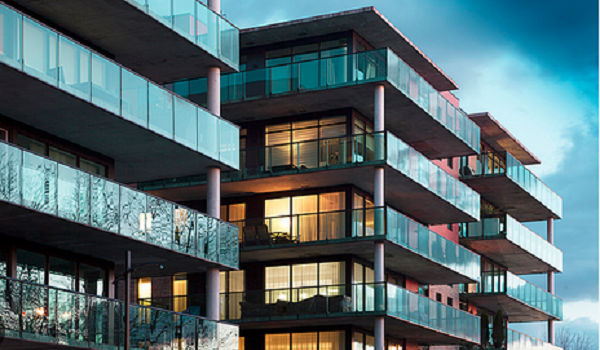
City of Toronto staff are recommending that multiplexes of up to six units and four storeys be allowed as-of-right in neighbourhoods across the city.
They’re also recommending a cap on the maximum number of bedrooms in multiplexes, in a pair of new reports that head to the Housing and Planning Committee next week.
“I think it’s really important. It’s a form of housing that we really need. It’s part of the so-called ‘missing middle,’” said Ken Greenberg, principal of Greenberg Consultants and former director of urban design and architecture for the City of Toronto, of the sixplex move.
“You have people of different ages and different stages in their lives who can all share a neighbourhood.”
Multiplexes were allowed as-of-right — meaning without special permissions — citywide in spring 2023, and sixplexes were studied under a pilot project in Ward 23 (Scarborough North) earlier this year.
The changes were supposed to encourage more “missing-middle housing,” the kind of homes that fall somewhere between lowrise detached and semi-detached houses, and tiny condos.
In the past, much of Toronto was zoned for either extreme, leading to jagged, uneven growth and a lack of affordable options.
If approved, sixplexes would only be allowed in detached homes. Staff also recommend a 0.5-metre increase to the maximum building height to 10.5 metres, to allow for higher ceilings in basement apartments, as the Ward 23 pilot found they were often needed to get to six units.
“Expanding multiplex permissions will increase new lowrise housing options for Torontonians,” reads a summary of the report recommending the change on the city’s website.
“New residents in lowrise neighbourhoods can help stabilize declining populations, optimize the use of existing infrastructure, and support local retail establishments and services.”
Multiplexes are also environmentally friendly, as residents can bike, walk or take public transit to work, and are more accessible for younger people who might otherwise be priced out of the city, Greenberg added.
The city received 750 building permit applications for multi-unit buildings between May 2023 and November 2024, with 452 permits issued.
In general, there were more multiplex permits in Toronto—East York as well as parts of Etobicoke—York.
Ward 9 (Davenport), Ward 4 (Parkdale—High Park) and Ward 11 (Rosedale-University) had the most multiplex building permit activity, according to the multiplex report.
The Ward 23 study found sixplexes could be accommodated on 61 per cent of lots. This number is probably even higher across the city, as many residential lots are quite large, staff noted in the report.
Between the two reports the city also reported on feedback from community consultations on multiplexes, which included concerns about affordability, garbage, the impact of increased density on flooding, parking, and property taxes.
On sixplexes, North Toronto’s Valleyanna Residents’ Association, for example, registered its disproval with an email from members submitted to the city saying, “The proposal would allow new builds to dwarf existing homes and increased density would affect parking, traffic, and noise in these neighbourhoods.”
However, there was also support for multiplexes in the community, with some residents saying they are a way for seniors to stay in neighbourhoods and for multiple generations of families to live together.
The sixplex recommendation and multiplex review come as several recent multiplex proposals have upset neighbours, who argued they would increase traffic and noise on their streets. Some of those proposals, which required variances, were denied by the committee of adjustment.
There have also been a few projects marketed as condos, instead of rentals, with hefty price tags that have led at least one councillor to argue they’re not in keeping with the spirit of the multiplex bylaw.

Greenberg said one option to address that concern could be for the city to restrict multiplexes to rentals.
This was not one of the recommendations in the city’s ”multiplex monitoring program” report, which specifies that a multiplex can be owned or rented.
The report does recommend a maximum number of bedrooms depending on the number of units to distinguish from rooming houses as well as allowing multiplexes in semi-detached homes.
Further, it recommends not permitting reverse slope driveways in multiplexes. They are not allowed for other types of lowrise housing under the city’s zoning rules.
The report found that while multiplexes “contribute only minor increases in flow to the sewer system” in areas with combined sewers, more of them may increase the risk of basement flooding.
If approved at the Housing and Planning committee on June 12, the multiplex and sixplex changes will be put to city council for a final vote at its late June meeting.
This article was first reported by The Star