





Tariff Tensions Hit Prairie Farmers as Pea Producers Warn of Mounting Losses
Canadian pea farmers have been hit with a one-two punch from their biggest buyers.
India imposed a 30 per cent tariff on imported yellow peas that came into effect Nov. 1. This is on top of China’s 100 per cent tariff on Canadian peas that was announced earlier this year.
The two countries make up 70 per cent of Canada’s yellow pea export market.
Needless to say, it’s been a disappointing week for producers like Terry Youzwa, who farms near Nipawin, Sask.
“It’s never good news when you get a message that there’s a 30 per cent tariff,” said Youzwa, who sits as board chair for Pulse Canada.
“It’s very frustrating because it’s out of your control. You have enough challenges as a grower.”

Besides the weather, machine repairs, marketing and paying the bills, producers now have to contend with tariffs that are slashing crop prices, he said.
China’s retaliatory tariffs are a response to Canada’s tariffs on Chinese electric vehicles. India says it imposed tariffs to curb cheaper imports and support the country’s domestic pea production.
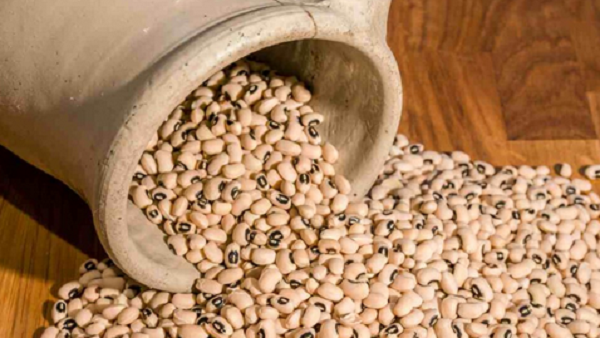
Terry Youzwa holds out a handful of yellow peas he finished harvesting in August.
The price of peas has fallen 43 per cent since China imposed its tariffs in March. India’s tariffs have made the market slightly weaker.
Youzwa said he was selling his peas for $12 to $14 per bushel, last year. Right now, the price is about $7 a bushel.
“None of the crops are doing well right now, and peas took a bigger hit than the other crops,” Youzwa said, factoring in the drop in canola prices that has made recent headlines.
“I want to be optimistic. I am optimistic long term, and I believe these are bumps in the road which will pass. But the question is when?”
For the time being, he has his peas locked in the bin. He’s holding off on selling them in hopes trade negotiations and prices will improve.
But he, like many farmers, can’t go without pay for too long.

The uncertainty has some producers, including Bill Prybylski, wondering what to plant next year.
Prybylski, the president of the Agricultural Producers Association of Saskatchewan, was crunching numbers this week. Out of all seven crops he grows on his farm, peas are performing the worst financially, he said.
Growing peas has its benefits, especially for soil health and inputting nitrogen into the ground. But right now, the crop is creating a financial burden.
Current values are “quite a bit lower than our cost of production,” he said.
“When it comes down to dollars and cents, we are losing money by growing peas.”
There were rumblings that India would impose a tariff weeks before the country pulled the trigger, which means producers weren’t taken by surprise.
But Prybylski does suspect the duty could be in place long term because it’s against all yellow pea imports, not just Canada’s, and it’s India’s way of protecting their local producers.
He said he hopes a resolution with China is “forthcoming.”
Youzwa says his peas are worth 43 per cent less compared to last year.

Youzwa agrees.
“We want our markets back,” he said. “It’s a much better long-term solution to take action and get our markets back.”
The federal budget proposes $75 million to expand the country’s agri-marketing program “to enhance diversification and promotion of Canada’s agriculture.”
The industry is already working to diversify its markets and expand in Southeast Asia, while seeing some promise in the dog food and pea protein markets.
But producers say diversification takes time and, even then, it might not replace the demand from China and India.
“Hopefully we can replace a certain portion of it. But I’m doubtful that we’re able to replace it all,” Prybylski said.
This article was first reported by CTV News