





Global Markets Volatile as Trump Rejects Iran Proposal, Threatening Shipping Lanes
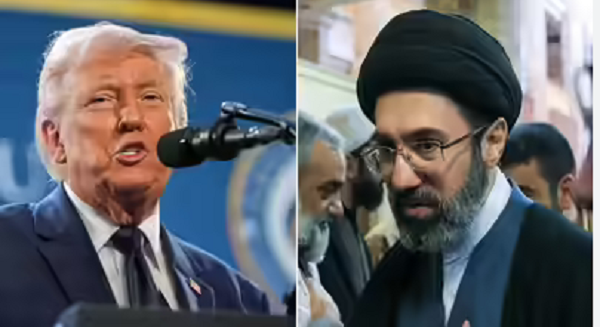
The month-long ceasefire between the U.S. and Iran was on the verge of unravelling on Monday, after President Donald Trump rejected Tehran’s response to the American peace proposal as “totally unacceptable” and Israeli Prime Minister Benjamin Netanyahu warned that the war was not over.
The comments by Mr. Trump and Mr. Netanyahu sent oil prices, which were on the downswing last week on the prospect of the Strait of Hormuz reopening, back up. In overnight Asian trading, Brent crude, the international benchmark rose more than 4 per cent to US$105 a barrel. In London trading early on Monday, the price was up about 2.5 per cent over Friday’s close.
Mr. Trump did not provide details of Iran’s counterproposal, which was sent to the White House through Pakistani mediators. He stopped short of announcing a resumption of fighting.
The precise contents of Iran’s response were not known, though several reports said Tehran had demanded the lifting of the U.S. naval blockade of Iranian ports; that Iran maintain some control over shipping traffic through Hormuz, through which one-fifth of the world’s oil and liquefied natural gas (LNG) passes; and an immediate end to the fighting, including in Lebanon, where Iran-backed Hezbollah guerrillas are battling an Israeli invasion.

The U.S. demands reportedly included a moratorium on Iranian nuclear enrichment for up to 20 years and the transfer overseas of the country’s stockpile of highly enriched uranium, which the U.S. and Israel fear could be further enriched to make bomb-grade explosive material. The Wall Street Journal reported that Iranian counterproposal suggested a shorter moratorium, the export of some of the enriched uranium and the downgrading of the rest.
On Saturday, Russian President Vladimir Putin said that his country would take the enriched uranium from Iran if doing so would trigger a breakthrough in the peace negotiations.
Israel seems intent on destroying Iran’s uranium-enrichment capabilities. Mr. Netanyahu wants the war, which began of Feb. 28 with joint U.S.-Israeli strikes on Iran, to continue until it does. “It’s not over, because there’s still nuclear material, enriched uranium, that has to be taken out of Iran. There’s still enrichment sites that have to be dismantled,” he told CBS’s 60 Minutes program.
He said that the best way to ensure that Iran’s enrichment facilities could no longer function is “You go in and take it out.” He added that Mr. Trump also wants “to go in there.”
Hormuz closed shortly after the war started. Since then, only a few tankers have passed through the shipping chokepoint. Soaring insurance rates and intermittent attacks have prevented them from doing so. The attacks on shipping have slowed, but still happen. The United Arab Emirates and Kuwait reported drone incursions into their airspace on Sunday, and a drone hit a ship, which had come from Abu Dhabi, off the coast of Qatar.
Since the ceasefire started, Mr. Trump has repeatedly threatened to resume the war on Iran. Earlier this month, he said that if Iran did not accept his peace deal, “the bombing starts.” He also warned Iran that he would blow the country “off the face of the earth” if it attacked U.S. vessels.
The peace negotiations’ impasse means that Hormuz is still largely closed, putting upward pressure on the price of gasoline, diesel and aviation and shipping fuels.

According to AAA Fuel Prices monitor, average price of regular fuel in the U.S. is up by US$1.39 a gallon in the last year, with most of the increase coming since the war began. Diesel is up by more than US$2 a gallon. Rising energy prices are pushing up inflation, raising the likelihood that central banks will hike interest rates.
In Britain, prices rose by at 3.3 per cent in the year to March, up from 3 per cent in January and February. The Bank of England’s inflation target is 2 per cent.
With the U.S. midterm elections only six months away, Mr. Trump and other Republicans are worried that rising gasoline and diesel prices will threaten their majorities in the Senate and the House of Representatives. A recent NPR/PBS News-Marist poll fond that eight in 10 Americans said that fill-up pain is straining household budgets.
The polls put Mr. Trump’s approval rating at just 37 per cent and disapproval at 59 per cent, handing Democrats a distinct advantage going into the elections.
This article was first reported by Reuters