





Deep-Sea Bidding War: Canada’s Submarine Search Sparks Billions in Industry Promises
Canada’s purchase of 12 new submarines will be one of the biggest defence procurements in the country’s history, inciting a fierce competition between bidders. In a brazen attempt to woo the federal government, the two finalists have each promised tens of billions of dollars in economic benefits.
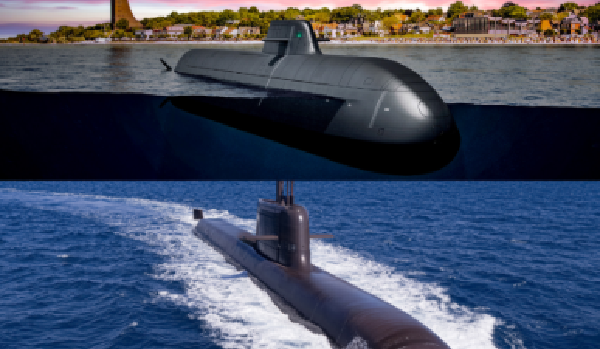
It’s a decision with extensive implications for Canadian industry, government, the Royal Canadian Navy and the country’s strategic alliances. Each of the two bidders, Germany’s ThyssenKrupp Marine Systems and South Korea’s Hanwha Ocean, have a comparable diesel-electric submarine on offer, and their unique capabilities will play a large role in Ottawa’s decision.
But beyond the submarines themselves, the defining trait of this historic procurement is its industrial benefits.

“Both of them meet the operational specs, the very high operational requirements of the Canadian Forces, and so it’s a question of those broader benefits that’s being run down,” Prime Minister Mark Carney told reporters in Ottawa at the end of May, when asked about the submarines.
Those promised benefits have come in hot and heavy from both competitors in direct response to targeted asks by the federal government. Now, with a decision expected any day, the question of who will come out on top, and what sweeping changes their bid will bring to companies and communities across the country, hangs heavy in the air.
To help you imagine what’s at stake, The Globe and Mail mapped the publicly disclosed agreements each company has made with industry and other organizations from the beginning of the bidding process to early June. Here’s what we found.
What’s on offer?
Walk through any major airport in Canada and you’ll see Hanwha’s signature orange hue plastered across sweeping wall displays and rotating digital billboards.
 The South Korean company’s proposal has been as much about showcasing its submarine’s capabilities as it has been about putting on a good show. But their extensive marketing budget is backed by a functioning vessel, and a seemingly endless swath of public teaming agreements and memorandums of understanding with Canadian industry and other organizations.
But above all, Hanwha’s partnerships with Canada’s Automotive Parts Manufacturers’ Association and Algoma Steel to build industrial and military vehicles in this country are probably the most talked-about part of the procurement, besides the subs themselves. The commitments are in direct response to an ask from Ottawa for auto-industry production pledges tied to the submarine bids.
The stakes are high, and the decision’s ripple effects will be felt by Canadians in the form of jobs, infrastructure and changes to their communities for decades to come.
This article was first reported by The Globe and Mail