





U.S. Trade Envoy Adopts Deliberate Stance on Bilateral Deal
The United States isn’t rushing to strike a deal that would end a costly trade war with Canada, Washington’s point man on negotiations said Friday, noting that the U.S. is still receiving the potash and energy it needs from this country.
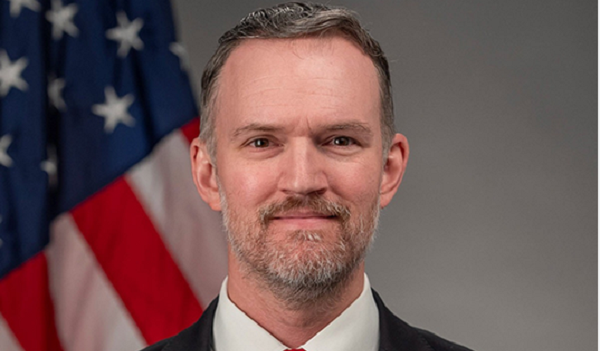
United States Trade Representative Jamieson Greer was asked during an interview with CNBC about relations with Canada, given the conflict that has escalated in recent weeks after Ottawa walked away from negotiations in August.
“We’re still getting what we need from them in terms of oil, gas, potash, all of these things,” Mr. Greer said. “We’re shipping [agricultural products] back and forth across the border, so there’s still a lot of strong trade between the two countries.”

A Canadian government official said there are continuing communications with Washington, but no formal negotiations right now. The Globe and Mail is not identifying the source because they are not authorized to speak publicly on the matter.
Mr. Greer said sporadic conversations are taking place with Canada but stopped short of suggesting that there are active negotiations taking place to resolve the dispute.
“There’s no urgency on our side, I would say.”
Speaking about the curtailed trade talks in August, Mr. Greer said, “We gave them a deal. They left.”
Prime Minister Mark Carney at the time said the U.S. was offering a “bad deal” that “asked too much and offered too little” for this country.
Consumers and businesses on both sides are feeling the impact of the trade war.
The U.S. began collecting 50-per-cent duties on roughly $28-billion of Canadian goods on Aug. 22, and Canada matched the tariffs dollar for dollar the day after Labour Day. These U.S. tariffs are on top of existing levies on Canadian steel, aluminum, autos and lumber that were imposed earlier.
Mr. Greer said Washington’s approach to Canada mirrors its policy toward China, Britain, Brazil and other countries.
He said the tariffs on steel, aluminum and autos are intended to prompt companies to “reshore,” or relocate their manufacturing to the U.S., and argued that this policy is already reaping benefits for American steel and auto manufacturers.
Ontario’s Representative in Washington, David Paterson, said Friday that it was up to the federal government to decide when to return to the negotiating table and declined to say whether he was aware of any backchannel talks under way. But he said he believed that negotiations would resume “in the long term.”
Speaking to reporters in Toronto, he said pressure is mounting on Washington from many U.S. businesses for a deal in the face of high diesel and gasoline prices and economic uncertainty.
Mr. Paterson said he expects the coming midterm elections to reflect the shift he is seeing in U.S. opinion – but that no one should expect a completely tariff-free deal for Canada.
Vic Fedeli, Ontario’s Economic Development Minister, said the province’s $30-billion package aimed at supporting tariff-hit businesses was helping it weather the storm. He also touted the successes of recent provincial efforts to attract investments and new jobs but said Ontario must adapt to a world where U.S. tariffs are permanent.
Premier Doug Ford on Friday reiterated Mr. Carney’s previous comments that Canada is in an “economic war” with the U.S. and needs to move faster on permitting projects, from mining to nuclear energy to manufacturing.
“We’re on wartime footings, and everyone is paddling in the same direction,” Mr. Ford told reporters from CityNews and The Canadian Press at Queen’s Park.
He added that the country cannot wait to see what happens in the November U.S. midterms.

“We can’t lay low. We have to go full steam. We have to diversify our trade around the world, not be so reliant on the U.S. We have to be self-aligned and move forward. So it’s full steam ahead on everything,” he said.
Still, the Ontario Premier said he believes that Canada and the U.S. want a trade deal.
“I think both sides, be it the Prime Minister and the President, truly, I believe they want to make a deal. It has to be a fair deal for both sides. So, I would like to see both parties get back to the table, move forward, give certainty, stability. That’s what we’d want here in Ontario.”
Mexican President Claudia Sheinbaum, speaking to reporters in Mexico City on Friday, said her country is “making progress” in its own trade negotiations with the United States.
She said Mexico’s goal is to persuade the United States to reduce Trump’s tariffs on steel and automobiles and to eliminate other levies. “That’s the discussion we’re having right now.”
Ms. Sheinbaum said some issues remain unresolved because they could affect Mexican “sovereignty, territorial integrity, and our constitution.” She added that Mexico is “interested in economic integration, but always with sovereignty.”
Mexico is looking for ways to buy more products from the United States to reduce the U.S. trade deficit with her country, Ms. Sheinbaum said.
This article was first reported by The Globe and Mail